

Legal Services
When a severe injury changes everything, the legal path forward matters. Catastrophic injuries don’t just affect the body. They reshape careers, relationships, finances, and futures in ways that a typical personal injury claim rarely captures.
At Halperin Law Center, we work with seriously injured Virginians and their families to pursue the full compensation their situations demand. If you or someone you love has suffered a life-altering injury in Midlothian or the surrounding area, we’re here to help you understand your options and take meaningful action.
What Counts as a Catastrophic Injury
Not every serious injury rises to the level of what is considered “catastrophic.” The distinction matters because it affects how damages are calculated, what future costs are considered, and how a claim is built. Virginia courts and insurance carriers recognize certain injury types as catastrophic based on their permanence, severity, and long-term impact on a person’s ability to function.
Spinal Cord Injuries and Paralysis
Spinal cord injuries can result in partial or complete paralysis, permanently limiting mobility and independence. These injuries often require lifelong medical care, specialized equipment, and home modifications that add up to hundreds of thousands of dollars or more over a lifetime. The physical and emotional toll on survivors is substantial and enduring.
Traumatic Brain Injuries
A traumatic brain injury, or TBI, can affect memory, speech, personality, and the ability to work or live independently. TBIs range from moderate impairment to severe, permanent cognitive disability depending on the location and force of impact. Because symptoms sometimes develop gradually, early legal and medical documentation is especially important in these cases.
Severe Burns, Amputations, and Organ Damage
Burns covering a significant portion of the body, limb loss, and serious internal organ damage all qualify as catastrophic injuries in most legal contexts. These conditions typically require multiple surgeries, extended rehabilitation, and ongoing medical management. They also carry profound effects on a person’s ability to perform daily activities and maintain employment long-term.
How These Cases Differ from Standard Personal Injury Claims
Most personal injury claims resolve around a defined set of current medical bills, lost wages, and pain and suffering. Catastrophic injury cases require a fundamentally different approach because the consequences extend far into the future and permeate every aspect of the victim’s life. The legal and financial stakes are higher, the evidence demands are greater, and the opposition from insurers tends to be more aggressive.
The Scope of Damages Is Larger
When an injury is permanent or disabling, compensation must account for a lifetime of future medical care, ongoing therapy, home and vehicle modifications, and lost earning capacity. This requires detailed projections from medical professionals, economists, and life care planners who can quantify what the injured person will actually need going forward. Underestimating these costs at settlement can leave a family without the resources they need years down the road.
Liability Is Often Shared or Disputed
Catastrophic injury cases frequently involve multiple at-fault parties, whether that means a negligent driver, an employer, or a product manufacturer. Virginia follows contributory negligence rules, which bar recovery entirely if the injured party is found even partially at fault. Building a solid liability case from the outset is essential to protecting the injured person’s right to recover.
Insurers Respond Differently to High-Value Claims
Insurance companies assign experienced adjusters and defense attorneys to catastrophic injury claims precisely because the financial exposure is high. Lowball early settlement offers are common, and they are often designed to close a claim before the full picture of injury and costs is known. Having legal representation from the start helps prevent decisions that can’t be undone later.
Real Cases, Real Results
$6.2M
Verdict
$4.35M
Settlement
$1.26M
Settlement
Damages and Long-Term Costs
One of the most important functions of a catastrophic injury claim is making sure all damages are identified, documented, and pursued. These cases involve categories of loss that go well beyond a standard injury claim, and failing to account for them fully can have serious consequences for a family’s financial stability.
Medical Costs, Past and Future
Current medical bills are only part of the picture. A catastrophic injury attorney will work with your medical team to project the cost of future surgeries, rehabilitation, in-home care, assistive devices, and prescription medications over the course of your lifetime. These projections require detailed medical records and the testimony of treating physicians and life care planners.
Lost Income and Earning Capacity
When an injury prevents someone from returning to their prior occupation, or from working at all, the economic loss extends far beyond missed paychecks. A vocational expert can assess how the injury affects long-term earning potential, and an economist can translate that into present-day dollar figures. These calculations are central to any catastrophic injury case and must be handled with precision.
Non-Economic Damages
Pain and suffering, emotional distress, and loss of enjoyment of life are all compensable under Virginia law. These damages don’t come with a price tag, so they require careful documentation and thoughtful presentation to a jury or insurer. Our attorneys take the time to understand how an injury has affected every aspect of a client’s life before determining how to present these losses.
How Our Experienced Personal Injury Attorneys Approach Catastrophic Injury Cases
At Halperin Law Center, we handle personal injury cases with the attention and resources they require. These matters are rarely straightforward, and a thorough, methodical approach from the beginning can make a meaningful difference in outcomes. Our focus is on building well-supported claims that reflect the true extent of our clients’ losses.
Building the Evidence Foundation Early
Preserving evidence before it disappears is one of the first priorities in any personal injury case. That means securing accident reports, obtaining surveillance footage, interviewing witnesses, and requesting complete medical records as early as possible. A strong evidentiary foundation makes it harder for opposing parties to dispute what happened and who is responsible.
Working with the Right Experts
Personal injury cases depend heavily on expert testimony from physicians, life care planners, vocational rehabilitation specialists, and engineering experts. We have established working relationships with qualified professionals who can provide reliable, well-documented opinions to support your claim. The strength of those expert opinions often determines the strength of the case.
Keeping Clients Informed Throughout the Process
We understand that personal injury cases can take time, and that uncertainty adds to the stress families are already carrying. Our attorneys keep clients and their families informed at each stage of the process, explaining what is happening and why, so there are no surprises. We are accessible, responsive, and committed to making sure our clients always know where their case stands.
Are You Currently Injured From a Catastrophic Accident?
Our Attorneys

Partner

Associate Attorney
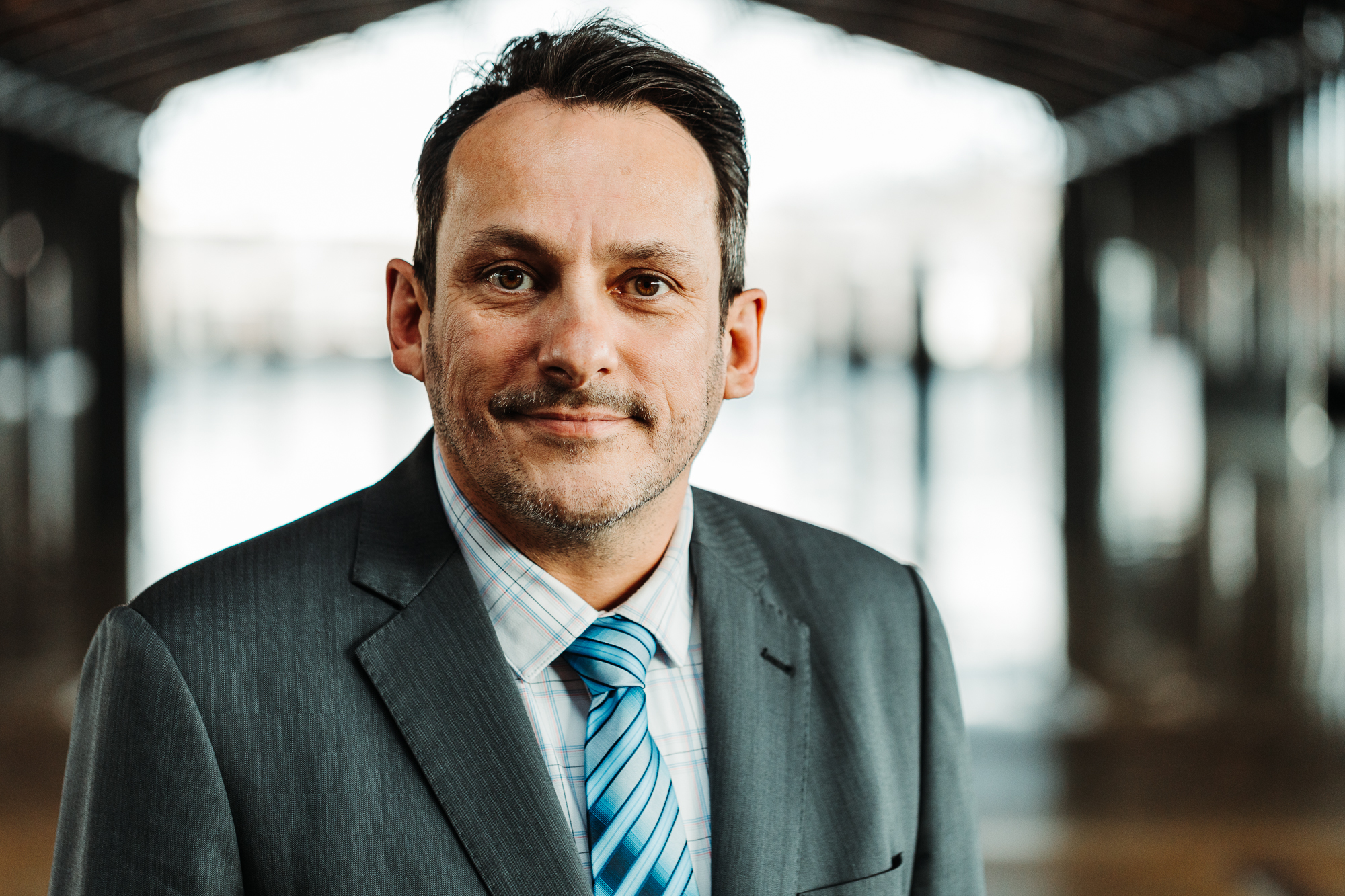
Partner
Contact Our Catastrophic Injury Lawyers for a Free Consultation on Your Legal Options in Richmond, VA
If you or a family member has suffered a life-changing injury, the decisions you make in the weeks and months ahead will matter. Contact Halperin Law Center to schedule a consultation with our attorneys and get a clear picture of your legal options. We represent clients in Midlothian and throughout Virginia, and we are ready to listen.
Frequently Asked Questions About Catastrophic Injury Claims in Virginia
Catastrophic injury claims raise questions that go beyond what most people encounter with everyday personal injury matters. The following answers address what clients commonly ask when they first meet with our attorneys.
Virginia’s statute of limitations for personal injury claims is generally two years from the date of injury. Missing this deadline can permanently bar recovery, regardless of how strong the underlying claim may be. Consulting with an experienced personal injury lawyer as early as possible protects your ability to pursue fair compensation.
Virginia follows the doctrine of pure contributory negligence, which means that any finding of fault on your part, even a small percentage, can eliminate your right to recover damages entirely. This makes thorough liability investigation critical in Virginia cases, because the defense will often argue that the injured person contributed to their own harm. Our attorneys examine the facts carefully to counter those arguments wherever possible.
A catastrophic injury is generally defined by its permanence and its effect on a person’s fundamental ability to function, work, and live independently. While any serious injury is significant, catastrophic injuries involve lasting impairment that alters the course of a person’s life. The legal process reflects that distinction by allowing for broader categories of damages, including projected lifetime costs.
Most personal injury cases, including catastrophic injury matters, settle before trial, but that is never guaranteed. If a settlement offer does not adequately account for your losses, filing a lawsuit and proceeding toward trial may be necessary to reach a fair result. Our attorneys prepare every case as if it will be tried, which also strengthens the settlement negotiation position.
Some catastrophic injury settlements are paid in a lump sum, while others may be structured as periodic payments over time, sometimes called structured settlements. The right approach depends on the injured person’s financial needs, tax considerations, and long-term care requirements. An attorney can help evaluate which structure serves your situation best before any agreement is finalized.
Catastrophic injury claims involve a level of complexity, including future damages projections, expert coordination, and high-stakes insurer opposition, that benefits from focused legal experience in this specific type of claim. While many personal injury attorneys handle a wide range of cases, working with a catastrophic injury attorney who regularly handles these matters can make a meaningful difference in how a case is built and pursued. At Halperin Law Center, this is a significant part of what we do, and we bring that experience to every client we represent.
Contact Us
GLEN ALLEN OFFICE
RICHMOND OFFICE
WORKING HOURS
Mon-Sun: 9 AM – 5 PM
Get Your Free Case Consultation

Whether you’ve been involved in an auto accident, a civil rights violation, or a personal injury, you can rest assured knowing a top-rate Richmond lawyer at Halperin Law Center will give you personalized attention, guidance, and support you deserve. We work tirelessly to help win the compensation and justice you deserve in your case.
© 2026 HALPERIN LAW CENTER. ALL RIGHTS RESERVED. | Privacy Policy
Site Built by FreshMove Media