


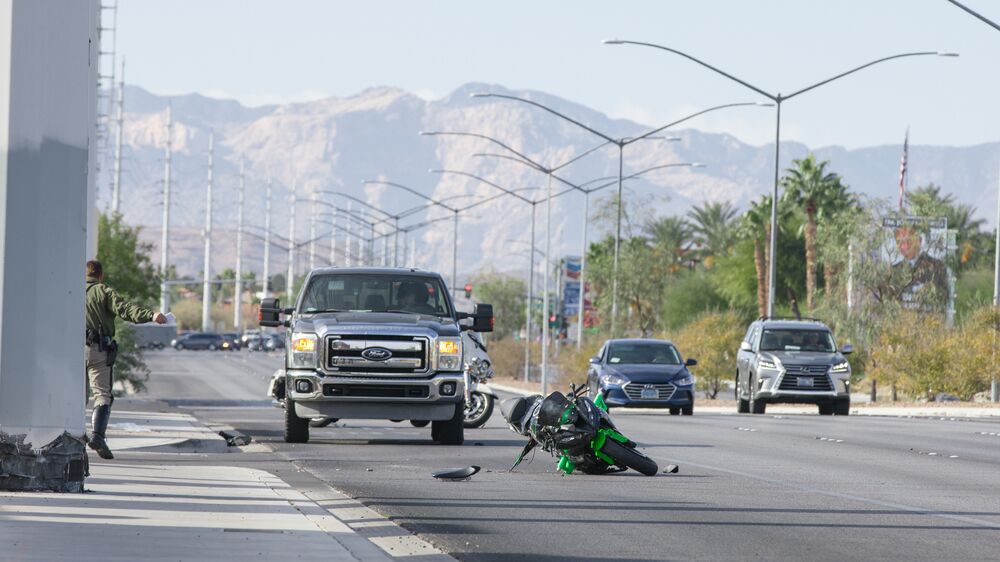
After a motorcycle crash, it is natural to ask what an average motorcycle accident settlement might be worth. The honest answer is that Virginia has no reliable statewide average, and a useful estimate requires a close review of the rider’s injuries, financial losses, evidence, fault, and available insurance. Motorcycle accident settlements may range widely because a short-term injury and a permanent disability do not present the same damages or legal risks.
This article explains the factors that commonly affect settlement value and the Virginia rules that may shape a claim. It provides general information, not legal advice or a prediction about any particular motorcycle accident case.
Is There an Average Motorcycle Accident Settlement in Virginia?
No public Virginia database reports every motorcycle accident settlement, and many negotiated resolutions remain confidential. Online averages may combine personal injury cases involving different serious injuries, insurance limits, liability disputes, and locations, making the resulting number a poor measure of an individual claim. A motorcycle crash settlement estimate should be based on the evidence in the specific case rather than a broad figure that leaves out the facts that matter most.
Typical Settlement Ranges Depend on the Harm Caused
A rider who recovers from bruising or a sprain after limited treatment may have a claim worth substantially less than someone who experiences a head injury, spinal cord injuries, amputation, or permanent scarring. Surgery, rehabilitation, future medical care, and lasting work restrictions can increase documented losses, but no injury automatically produces a fixed settlement. The relationship between the collision and each claimed condition must also be supported by medical evidence.
Settlement Value Is Not the Same as Take-Home Compensation
A reported settlement usually refers to the gross amount paid before deductions, so it may not reflect what the injured person ultimately receives. Attorney fees, case expenses, medical balances, health insurance reimbursement claims, and other liens may need to be addressed from the recovery. Riders comparing motorcycle accident settlements should determine whether a figure represents the gross resolution or the client’s net proceeds.
What Factors Affect Motorcycle Accident Settlement Value?
Virginia damages may include bodily injury, physical pain, mental anguish, disfigurement, medical expenses, lost earnings, and other losses proven to have resulted from the defendant’s negligence. The Virginia civil jury instructions direct jurors to consider the injury’s effect on health and its probable duration, which makes permanent limitations especially relevant. Medical records, diagnostic imaging, physician opinions, photographs, and testimony about daily limitations can help document these effects.
Medical Expenses and Future Care
Emergency transportation, hospitalization, surgery, physical therapy, prescriptions, mobility devices, and follow-up appointments may all form part of a damages evaluation when they are related to the crash. Virginia law provides a rebuttable presumption concerning the authenticity and reasonableness of qualifying medical bills when statutory requirements are met, as explained in Virginia Code §8.01-413.01. Future treatment claims generally require reliable support showing what care is reasonably expected and what it may cost.
Income Loss and Changes in Earning Ability
A settlement may account for wages lost while the rider attended appointments or was unable to work, provided those losses can be documented and linked to your more severe injuries. More serious claims may involve reduced earning capacity when permanent restrictions prevent someone from returning to the same occupation, hours, or responsibilities. Pay records, tax documents, employer statements, medical restrictions, and vocational or economic evidence may be necessary to explain both past and future losses.
How Virginia Law Can Change a Motorcycle Accident Claim
Virginia applies contributory negligence rather than comparative negligence, so a rider’s negligence can completely bar recovery when it was a proximate cause of the collision. The state’s jury instructions say the parties’ negligence is not compared and that qualifying negligence by the plaintiff that was a cause of injury prevents recovery, even when the defendant was also negligent. Insurers may therefore examine speed, lane position, signaling, visibility, braking, distraction, alcohol use, and other conduct when searching for a basis to place some fault on the rider.
Helmet Issues Require Careful Legal Analysis
Virginia generally requires motorcycle operators and passengers to wear approved protective helmets, along with specified eye protection or an appropriate windshield. However, Virginia Code § 46.2-910 states that failure to wear the required equipment does not constitute negligence per se in a civil proceeding. The exact facts, the injuries claimed, and other applicable evidence should be reviewed before drawing conclusions about how protective equipment may affect a personal injury case.
Filing Deadlines Can End an Otherwise Valid Claim
Under Virginia Code §8.01-243, most personal injury actions must be filed within two years after the cause of action accrues. Certain exceptions may change a deadline, but negotiations with an insurance company generally should not be assumed to pause the limitations period. Waiting can also make a case harder to prove because video may be erased, physical evidence may disappear, and witnesses’ memories may fade.
How Insurance Coverage Influences the Settlement
A rider’s damages can exceed the at-fault driver’s insurance, especially when injuries require surgery, long-term rehabilitation, or substantial time away from work. For policies effective on or after January 1, 2025, Virginia’s statutory minimum liability limits are $50,000 for bodily injury or death to one person, $100,000 for two or more people, and $25,000 for property damage. These are minimum limits, not a measure of what an injury is worth, and some drivers or responsible businesses may carry higher coverage.
Uninsured and Underinsured Motorist Coverage May Apply
When the responsible driver lacks insurance or has coverage below the rider’s proven damages, uninsured or underinsured motorist coverage provides another potential source of compensation. Virginia Code §38.2-2206 establishes coverage requirements and rules involving limits, priority among policies, unknown drivers, and certain settlements with underinsured motorists. Policy declarations, endorsements, written elections, household policies, and the motorcycle’s coverage should all be reviewed before determining what insurance is available.
Punitive Damages Are Limited to Unusual Cases
Compensatory damages address the rider’s losses, while punitive damages are intended to punish especially wrongful conduct and deter similar behavior. Punitive damages are not available merely because a crash caused severe injuries, and they generally require evidence of conduct meeting a higher legal standard, such as willful and wanton disregard. Virginia also limits total punitive damages to $350,000 under Virginia Code §8.01-38.1, regardless of a larger jury award.
How Motorcycle Accident Settlements Are Evaluated
A settlement demand should explain not only what the rider lost but also why another person or entity is legally responsible. Police reports, witness statements, photographs, traffic camera recordings, business surveillance, vehicle data, phone records, measurements, and motorcycle inspections may help establish how the collision happened. In disputed cases, reconstruction evidence may address speed, impact angles, visibility, braking, road conditions, and whether a driver failed to see a motorcycle that was plainly present.
Medical Documentation Connects the Crash to the Injuries
Insurers often question whether treatment was necessary, whether an injury existed before the collision, or whether a gap in care weakens the connection to the crash. Consistent records can explain symptoms, diagnoses, treatment recommendations, physical limitations, and the medical basis for future care. A preexisting condition does not automatically defeat a claim, but the evidence must distinguish the prior condition from any aggravation or new harm caused by the accident.
Negotiations Should Reflect the Full Record
A demand package may include a liability analysis, medical records, bills, wage documentation, photographs, insurance information, and a description of how the injuries affected the rider’s life. Sending a demand too early may leave out surgery, future treatment, permanent restrictions, or the full period of lost income, while unnecessary delay may create other problems. A reasonable settlement assessment should consider the strength of the evidence, likely defenses, available coverage, litigation costs, and the possible range of outcomes at trial.
Frequently Asked Questions About Virginia Motorcycle Accident Settlements
The following answers address common questions riders ask after a Virginia collision. The appropriate course in a particular matter depends on its facts, insurance policies, and procedural history.
How Long Does a Motorcycle Accident Settlement Take?
Some claims resolve after the rider completes treatment and the insurer receives the necessary documentation, while others require months of investigation or litigation. Claims involving permanent injuries, disputed fault, multiple defendants, or several insurance policies often take longer because more evidence must be collected and evaluated. An early offer may provide faster payment, but speed alone does not show whether the amount fairly accounts for the rider’s documented losses.
Should I Accept the Insurance Company’s First Offer?
The first offer may arrive before the rider knows whether symptoms will resolve, additional treatment will be necessary, or work restrictions will become permanent. Accepting a settlement normally requires a release that ends further claims against the released parties, even when later expenses or complications arise. Before signing, the rider should understand the offer’s scope, the damages included, the available coverage, and the financial obligations that may be paid from the proceeds. The answer is a hard no.
Can a Typical Settlement Exceed the At-Fault Driver’s Policy Limit?
A claim may exceed the driver’s liability limit when other coverage, another responsible party, or assets available to satisfy a claim are identified. Potential additional sources of recovery may include underinsured motorist coverage, an employer’s policy when a driver was acting within the scope of employment, or coverage belonging to another liable vehicle owner. Whether those options exist depends on the evidence, the policy language, and Virginia law, so a result above one policy limit is possible but never automatic.
How Halperin Law Center Reviews Motorcycle Accident Claims
Halperin Law Center represents injured people in Virginia personal injury matters and can review the circumstances surrounding a motorcycle collision. Riders may contact our firm to discuss the crash, available evidence, insurance coverage, injuries, and filing deadlines without relying on a generic settlement average.
Investigating the Collision
Our review may include police materials, accident scene photographs, witness information, video, vehicle damage, medical records, and available insurance policies. Our personal injury lawyers look for evidence showing how the crash occurred and anticipate allegations that an insurer may use to place fault on the rider. This work is especially important in Virginia because a supported contributory negligence defense can prevent compensation.
Documenting the Rider’s Lost Income and Other Losses
We evaluate medical treatment, expected care, income loss, physical restrictions, scarring, pain, and the ways an injury has affected work and everyday activities. Our personal injury representation focuses on preparing claims with documentation that explains both financial losses and personal consequences. Every case is evaluated individually because prior settlements cannot guarantee the value or outcome of a new claim.
Contact Us for a Free Consultation on Seeking a Settlement for a Motorcycle Accident Case
A claim may resolve through negotiation, but filing a lawsuit may be appropriate when liability is disputed, damages are undervalued, or a deadline is approaching. Our experienced attorneys explain the available options, the risks associated with each path, and the information needed for an informed decision while avoiding promises about results.
To request a case review, contact the experienced motorcycle accident attorneys at Halperin Law Center to discuss what happened in your Virginia motorcycle accident and how you can seek fair compensation for your losses.